
Personality tests
Introvert or extrovert? Gut feeling or game plan? Here you'll find the Big Five, the trait model personality psychologists use most, alongside popular frameworks like the 16 types and the Enneagram, plus quick quizzes that zoom in on a single trait, like your social battery or sensitivity. Every question is built on real-life situations, and every result explains each dimension in plain English.
12 quizzes: 11 are completely free. The other one is free to take with a free summary, and the full report unlocks for 10 points.
Quizzes in this category
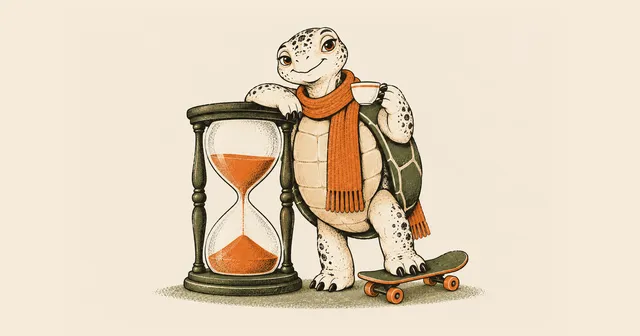
Mind Age Test
Your ID says one number. Your heart might say another. Find out how old your mind really is
Full report 10 pts12 questions · 5 min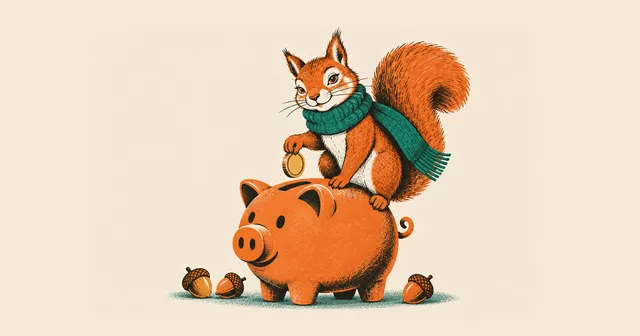
Money Personality Test
Saver, spender, or risk-taker? Find out what your wallet says about you
Free12 questions · 3 min
Social Battery Test
Introvert, extrovert, or somewhere in between? Find out how much charge you have left
Free15 questions · 3 min
Personality Animal Quiz
28 questions. 12 animals. Which one is secretly you?
NewFree28 questions · 5 min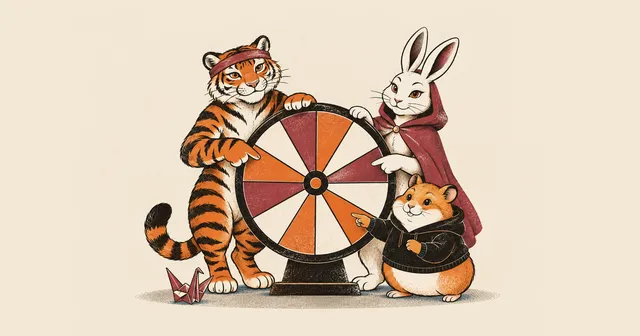
Jungian Archetype Test (12 Archetypes)
30 questions. 12 archetypes. Meet the characters running your life.
NewFree30 questions · 6 min
Big Five Personality Test
40 questions. Five traits. One profile that actually sounds like you.
NewFree40 questions · 6 min
Color Personality Test
What color is your personality? 24 questions, 8 colors.
NewFree24 questions · 4 min
Enneagram Test
36 questions. Your core type, your wing and all nine scores.
NewFree36 questions · 6 min
Four Temperaments Test
28 questions. Sanguine, Choleric, Phlegmatic or Melancholic?
NewFree28 questions · 5 min
Highly Sensitive Person Test
28 questions. Your sensitivity score and the kind of sensitive you are.
NewFree28 questions · 5 min
Seasonal Color Analysis Quiz
21 questions to find your color season, out of 12
NewFree21 questions · 4 min
16-Type Personality Test
36 questions. Your 4-letter type, and the animal character that comes with it.
NewFree36 questions · 7 min
Where to start
Want the most research-backed option? The Big Five
The Big Five (openness, conscientiousness, extraversion, agreeableness and emotional stability) is the trait model personality psychology relies on most. You get five scores instead of a single type, which makes it a great first look at your overall profile.
Take Big Five Personality TestWant a type that's easy to share? 16 types or the Enneagram
The 16-type test gives you a four-letter code; the Enneagram looks at your core motivation and wing. Both are fun to compare with friends, but research support for them is mixed, so treat them as a shared language for self-reflection, not a precise measurement.
Take 16-Type Personality TestOnly have three minutes? Start with one trait
The Social Battery Test (15 questions) and the Money Personality Test (12 questions) each take about three minutes and focus on one thing. If you want to go deeper afterward, try the Highly Sensitive Person Test or the Mind Age Test.
Take Social Battery Test
FAQ
Are personality tests accurate?
Self-report tests capture how you see yourself right now, so mood and circumstances play a part. Research-based models like the Big Five tend to be more stable; popular frameworks like the 16 types or the Enneagram work best as conversation starters. Every result describes a tendency, not a diagnosis.
What's the difference between the Big Five and the 16 types?
The Big Five describes you with five continuous scores, each showing how high or low you are on a trait. The 16-type test sorts you into one of 16 types, which is easier to remember and share. One is more nuanced, the other more conversational, and taking both lets you compare.
I got a different result the second time. Is that normal?
Yes. Answers naturally shift with time and mood, especially on traits where you score near the middle. Our scoring follows fixed rules, so the same answers always produce the same result. If your result changed, your answers changed.